Photo by Adobe Stock
The Importance of Professional Photography in Boosting Your Brand
In today's rapidly evolving digital age, the significance of professional photography for businesses cannot be overstated. High-quality photographs can make a huge difference in how potential clients and customers perceive your company. They can communicate your brand story, evoke emotions, and leave a lasting impression that translates into improved sales and a stronger brand identity. Whether you are a small business owner or a large corporation, investing in professional photography can provide numerous benefits and help you stand out in a highly competitive marketplace. In today’s post hosted by Tadsen Photography, we’ll explain how.
A Pro Can Enhance Your Business Visibility
If you have a business that needs to capture the attention of potential customers, professional photography is an essential marketing tool. A professional photographer will have the skills and experience to create visually stunning images that will showcase your products or services in the best possible light. These images can be used in all of your marketing materials, from your website to your social media channels, placing your products or services in front of potential customers and creating a lasting impression.
A Pro Can Help You Establish Credibility
With so many businesses out there, it can be challenging to stand out from the crowd. Professional photography services can help you give your business the edge it needs to be taken seriously. Stunning images will show potential customers that you take your business seriously, while also conveying a sense of professionalism and attention to detail.
A Pro Knows How to Showcase Your Products
Whether you’re selling a physical product, a service, or an experience, professional photography can help you showcase it in the best possible light. A professional photographer can help you to highlight the key features and benefits of your products or services, making them more appealing to potential customers. With high-quality images, you can create a more emotional connection with your customers, leading to increased sales and customer loyalty.
A Pro Has Their Own Equipment
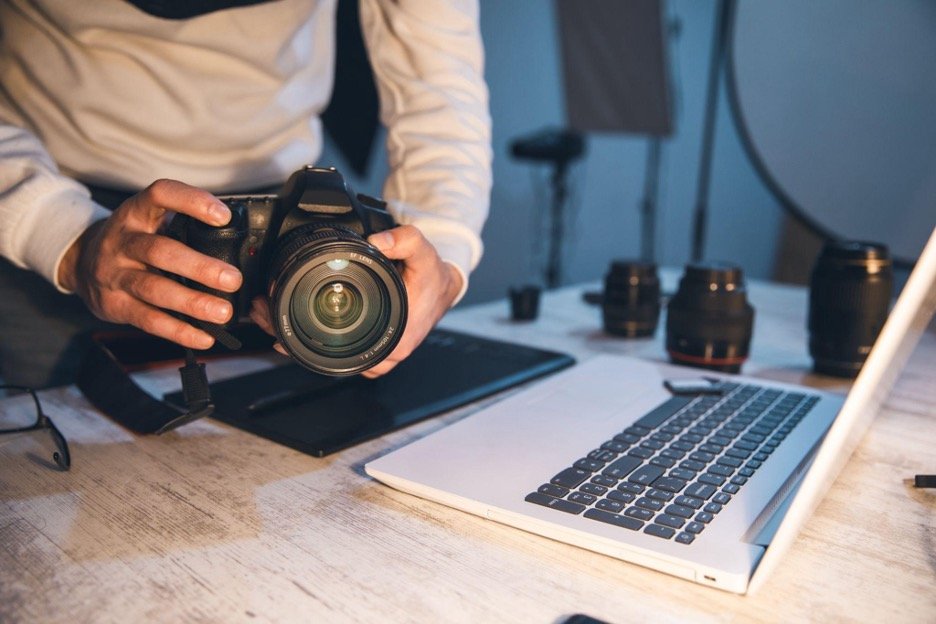
One of the main benefits of working with a professional photographer is that they will have all the necessary equipment to take stunning photos. They will have the latest cameras, lenses, and lighting, ensuring that you get the highest-quality images. Plus, they’ll have backup equipment, so you never have to worry that technical difficulties could ruin your big day.
A Pro Has Photo Editing Skills
Professional photographers are also skilled in post-processing and editing, making sure that your photos look their best. They’ll use their expertise to create images that are beautifully composed, well-lit, and perfectly edited. Plus, they can make any necessary corrections or adjustments to ensure that your pictures are flawless.
A Pro Knows How to Style the Setting
Professional photographers understand the importance of styling a shoot when taking images for a business. They have a trained eye for considering the overall aesthetic of the brand and how it should be portrayed in the photographs. This includes elements such as lighting, composition, colors, and props. A pro also has extensive knowledge of various techniques to ensure the images look polished and professional. This attention to detail leads to images that reflect the brand's identity and effectively convey its message to potential customers.
Put Your Photos to Work for Your Business
Have you ever wondered how to utilize your professional photos to their maximum potential? Once your photographer delivers your images, there are countless ways to use these to make the most of your investment. And with platforms like Adobe Express, you can create beautiful marketing materials that help showcase your images:
● Social Media Pages
Social media platforms offer an incredible outlet for showcasing your professional images. Instagram and Facebook are just a few channels where you can engage your audience and increase your visibility through visually stunning content. Use relevant captions, hashtags, and locations to give your images context and reach a wider audience. To make this task easier, try using the Adobe Express Instagram post maker or the Facebook post creator to craft content that gets the attention you’re looking for.
● Website Pages
Your website is often the first impression that potential clients will have of your business. A well-designed and visually-appealing site can significantly improve your chances of attracting new clients. By incorporating professional images throughout your website – such as on your homepage, portfolio, or about us page – you'll be able to convey a consistent and polished image. Use the Adobe Express web page templates to help update pages on your site that help show off the images you want to share.
● Brochures and Marketing Materials
Print materials, such as brochures, flyers, and business cards, are still essential marketing tools despite the dominance of digital channels. High-quality, professional images are crucial for making a lasting impact in print. An eye-catching brochure with engaging content and stunning visuals can leave a memorable impression and help generate leads. Fortunately, Adobe Express offers several tools to help design unique marketing materials. Whether it’s to make a flyer, design a brochure, or create custom business cards, there’s a design opportunity waiting for you.
As you can see, there are numerous benefits to working with a professional photographer for your business. From high-quality images that showcase your products or services to a fresh perspective that can elevate your brand, a skilled photographer can help you visually communicate your message to potential customers. Not only can this increase engagement and sales, but it can also help establish your business as a leader in your industry. So if you're considering investing in professional photography, know that it could be the key to taking your business to the next level.
Ready to boost your branding? Contact Tadsen Photography today!